Personal Tax Preparation: Common Mistakes to Avoid When Filing Taxes
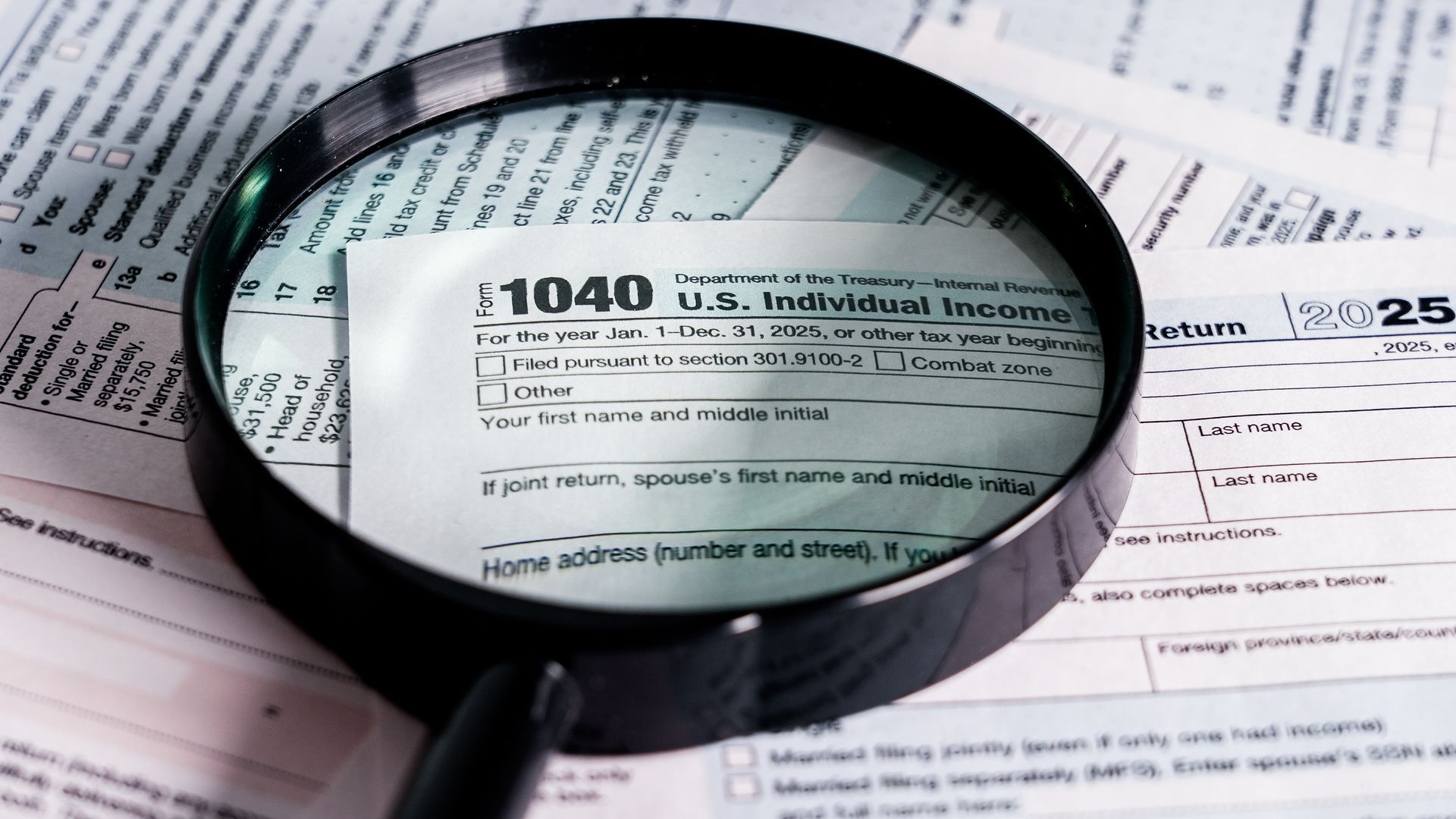
When it comes to personal tax preparation in Ocala, FL, many individuals find themselves overwhelmed with the complexities of filing their returns accurately. Whether you’re a first-time filer or have years of experience, the process can be daunting and prone to errors that may lead to costly penalties or missed refunds. At Hammett Financial P.A., understanding these pitfalls is crucial to ensure your tax filing is smooth and maximizes your financial benefits. This article highlights some of the most common mistakes people make during your tax preparation and provides practical advice to help you avoid them.
Understanding the Importance of Accurate Personal Tax Preparation
Tax preparation is a detailed process that requires careful consideration of every source of income, potential deductions, and correct filing status. Personal tax preparation involves gathering financial documents, completing forms precisely, and meeting IRS deadlines. Mistakes can delay refunds, trigger audits, or cause you to pay more than necessary. By recognizing common errors, you can streamline your filing process and preserve both your time and money.
Common Mistakes to Avoid in Personal Tax Preparation
Missing Out on Eligible Deductions and Credits
One of the most frequent errors is failing to claim all deductions or tax credits available to you. Taxpayers often overlook deductions related to education expenses, medical costs, or charitable donations. Similarly, tax credits such as the Earned Income Tax Credit (EITC) or Child Tax Credit can significantly reduce your tax burden if you qualify. Ensure you keep thorough records throughout the year and review IRS guidelines or consult a tax professional to identify all applicable deductions during tax preparation.
Incorrect Filing Status Selection
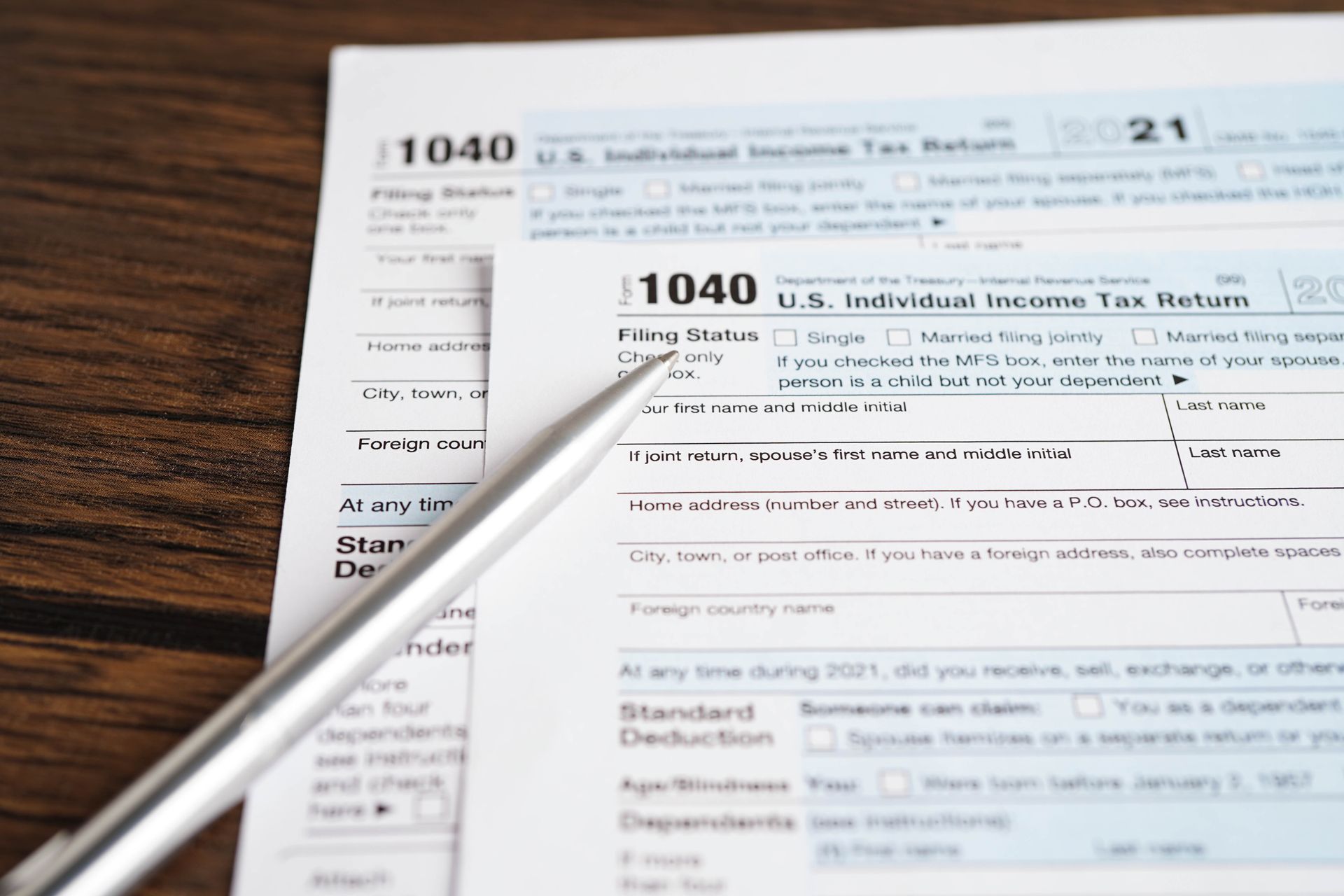
Choosing the wrong filing status can drastically affect your tax calculations and potentially your refund amount. Common filing statuses include single, married filing jointly, married filing separately, head of household, and qualifying widow(er). For example, filing as single instead of head of household when you qualify may result in a higher tax rate and loss of certain credits. Understanding your eligibility for each category is vital; if unsure, seek professional guidance to select the most beneficial option.
Overlooking Income Sources
Failing to report all income sources is a critical mistake that can trigger IRS audits or penalties. Income is not limited to wages from a job; it also includes freelance earnings, rental income, dividends, interest, and even gig economy payments. Some taxpayers forget to include contributions from side businesses or online sales. Keeping detailed financial records and reviewing all income documents like W-2s, 1099s, and bank statements is essential for accurate reporting.
Errors in Personal Information and Forms
Simple errors such as misspelled names, incorrect Social Security numbers, or misreported bank account details for direct deposit can cause processing delays or even rejected returns. Double-check all personal information before submitting your tax return and ensure that forms are signed and dated where necessary. Accuracy in details reinforces the professionalism and reliability of your personal tax preparation efforts.
Neglecting to File or Pay on Time
Procrastination often leads to last-minute rushes that increase the risk of mistakes or missed deadlines. Filing late or failing to pay owed taxes can result in penalties and interest that accumulate over time. The tax deadline usually falls on April 15, but extensions can be requested if needed. Even so, an extension to file is not an extension to pay. Plan ahead, organize your documents early, and aim to complete your personal tax preparation well before deadlines to reduce stress.
Ignoring State and Local Tax Obligations
Many taxpayers focus solely on federal taxes and forget that state and local tax laws also apply. Florida does not have a state income tax, which simplifies this aspect for residents. However, those with income from other states or certain types of local taxes must still comply to avoid issues. Understanding your full tax responsibilities ensures compliance and prevents unexpected liabilities.
How to Improve Your Tax Preparation Process
- Organize Records Early: Maintain receipts, statements, and relevant documents in one place throughout the year to minimize year-end scrambling.
- Use Technology Wisely: Tax preparation software can help automate calculations and reduce errors, but always review entries carefully before submission.
- Consult Professionals When in Doubt: While software is helpful, complex situations often benefit from the expertise of qualified CPAs or tax advisors.
- Stay Updated on Tax Law Changes: Tax codes can change annually, affecting deductions, credits, and filing procedures. Reliable tax professionals can keep you informed.

Secure Your Tax Success With Expert Assistance
Personal tax preparation doesn’t have to be stressful or error-prone. Being aware of common mistakes like missing deductions, incorrect filing status, and overlooked income is the first step toward filing accurately and confidently. To ensure a hassle-free tax season and optimize your returns, consider partnering with experienced professionals like those at Hammett Financial P.A. Their expertise can guide you through every step, from organizing your finances to submitting flawless tax returns. Call today to schedule a consultation and make your tax season worry-free!